
Foreign trade independent site GEO isn’t about making webpages ‘algorithm-friendly’—it’s about enabling global buyers to instantly recognize you as a genuine supplier in AI searches. It turns SKU data into procurement trust signals and inspection reports into machine-readable credit credentials—you’re optimizing not rankings, but the very first link in the buyer’s decision chain.

92% of companies are operating their first-party customer data using third-party cookie thinking—this isn’t an upgrade; it’s a mismatch. This article breaks down how CDPs turn data from ‘being analyzed’ into ‘actionable,’ truly driving a 31% reduction in CAC and a 48% surge in repurchase rates—a surefire path to growth.

B2B website lead automation isn’t just adding a pop-up—it’s making your website read purchasing intentions, translate behaviors in real-time, and act as a sales co-pilot to nurture leads. This article breaks down five practical technological engines to help turn 92% of lost visitors into sales-ready customers who’ve already rehearsed three rounds of objections.

The core value of a foreign trade B2B independent site isn’t ‘website creation,’ but ‘continuous recognition and trust by global procurement engines’—building a site equals GEO, going live equals entering the knowledge graph. This article exposes five real-world pitfalls and uses verifiable data to explain why your site always goes silent after three months.


Choosing the wrong Google SEO foreign trade promotion service provider doesn't mean no effect—it means money spent, traffic gained, but no increase in inquiries. This article uses real data and verifiable clauses to help you translate vague needs into technical tasks, turn your budget into a capability filter, and transform delivery into a growth insurance policy.
First-party customer data alone doesn’t create value; only through real-time modeling and closed-loop feedback via a Customer Data Platform (CDP) can it drive measurable conversion improvements. The key breakthrough lies in shifting from stacking static tags to building dynamic behavior graphs. This article breaks down four layers of practical logic—response speed, intent recognition, attribution credibility, and autonomous evolution—all anchored in tangible business outcomes.
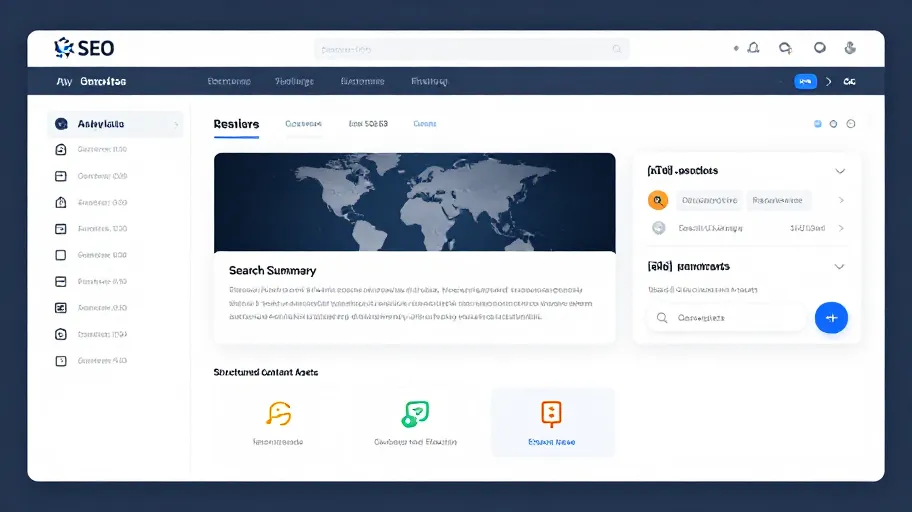
Direct Answer: For most foreign trade enterprises that already have an independent website and are continuously investing in overseas customer acquisition, GEO and SEO collaboration is worth considering as part of their evaluation. However, it should not be initiated blindly. This approach is suitable for companies that already have a nascent content asset base, can consistently produce structured content, and are willing to use metrics for post-campaign analysis. For businesses that have just built their websites, possess very limited content, or rely entirely on platform inquiries, it is more cost-effective to first strengthen basic SEO and establish a robust customer data system.

When going global, you’re not just building a multilingual website—you’re creating a real-time money-printing machine. While 92% of companies still pile pages with machine translation, leading players have already reimagined the user journey with semantic localization—German-site inquiry rates up 3.2x, Spanish-region sales up 217% in six months, and Latin American first-screen loads compressed to under 0.8 seconds. This article breaks down the real logic behind building a multilingual export website that truly makes money.

A Customer Data Platform (CDP) isn’t just another item on the IT procurement list—it’s the ticket to entry in the age of customer sovereignty. But mismatched prerequisites, misused metrics, and skipping validation can turn a 3 million yuan investment into a sunk cost within six months. This article uses real-world cases and auditable metrics to help you decide: Do it now, or wait another year?

92% of foreign trade companies remain stuck in the vicious cycle of “having traffic but no inquiries” after building their websites. It’s not a lack of technology—it’s that they haven’t treated independent sites as procurement decision accelerators. This article dissects five real-world overseas cases, revealing how structured SEO, dynamic compliance routing, and Procurement Intent Density (IID) can transform visitors into trackable, attributable, and convertible business opportunities.

