

Traditional SEO traffic has hit rock bottom, while buyers are seeking answers from AI. This article breaks down how to perform GEO optimization for foreign trade independent sites, helping you secure top positions in AI search rankings and attract inquiries directly.

Choosing the wrong independent store CRM integration system is like handing money to your competitors. This article uses a three-dimensional framework of requirements, budget, and delivery boundaries to help you steer clear of those hidden pitfalls that eat away at your profits.
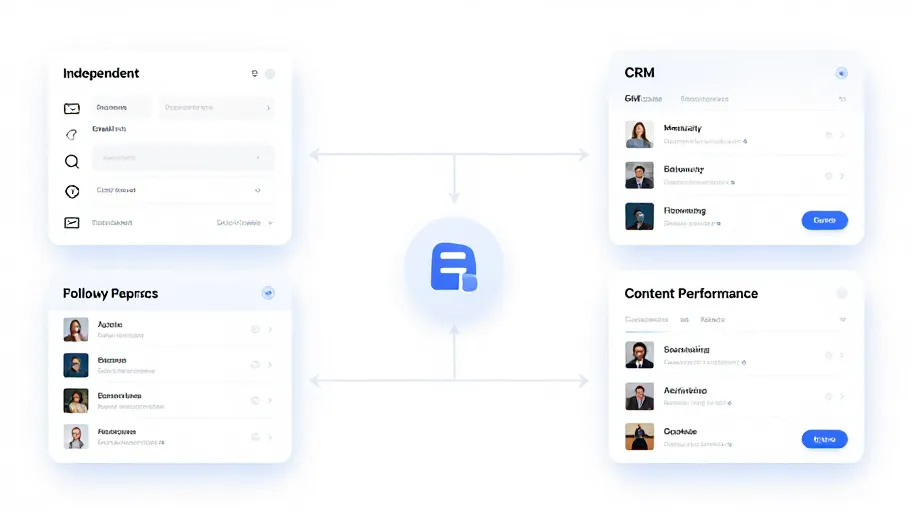
If your foreign trade enterprise is already operating an independent website and acquiring overseas customers, "first-party customer data" is no longer just a nice-to-have for the marketing department—it has become the core asset that determines whether you can be seen in the AI search era and whether your leads can be effectively converted. To directly answer the question posed in the title: enterprises need to integrate at least four types of data—website behavior data, inquiry and form data, CRM follow-up record data, and content and search performance data. Without linking these four categories of data together, it will be difficult for the visibility brought by AI search to translate into actionable sales leads.

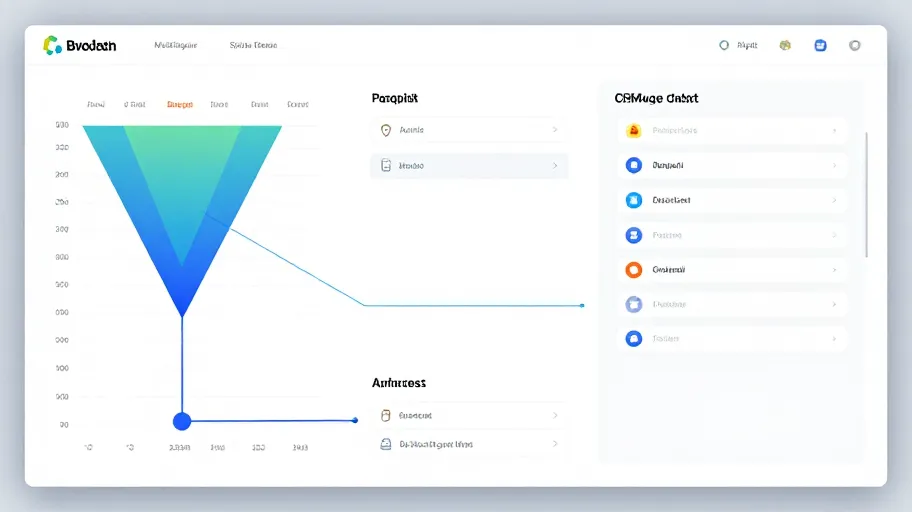
Before embarking on the redesign of a multilingual foreign trade website, first clarify three key aspects: whether the existing traffic structure can support the value of multilingual pages, whether conversion paths have already been successfully established in specific language markets, and whether the website's interfaces with CRM and customer acquisition systems are capable of handling the new setup. The conclusions drawn from these three checks directly determine the priority and investment approach for the renovation. This article provides an actionable framework and checklist to help you conduct a self-assessment prior to any changes.

Every day, you watch website traffic rise, yet inquiries remain few? B2B lead automation can help turn visitors into business opportunities. We break down how to implement this system and seal off leakage points.

90% of foreign trade independent site traffic gets stuck outside the AI recommendation gate—problem isn’t content, but data silos. The websites truly ‘understood’ by AI don’t rely on keyword stacking, but rather on integrating product, behavioral, and intent data. See how leading brands do it.

Foreign trade independent sites are evolving from optional choices to core growth engines. This article deconstructs real-world cases, revealing end-to-end factors and offering practical operational insights from successful independent site case studies.

Over 68% of purchasing decisions are made before any sales contact. Relying on forms and manual follow-ups? You’ve already missed the golden opportunity. B2B Website Lead Automation is rewriting the rules of the game—using data to predict behavior and turning every visit into a chance for closure.
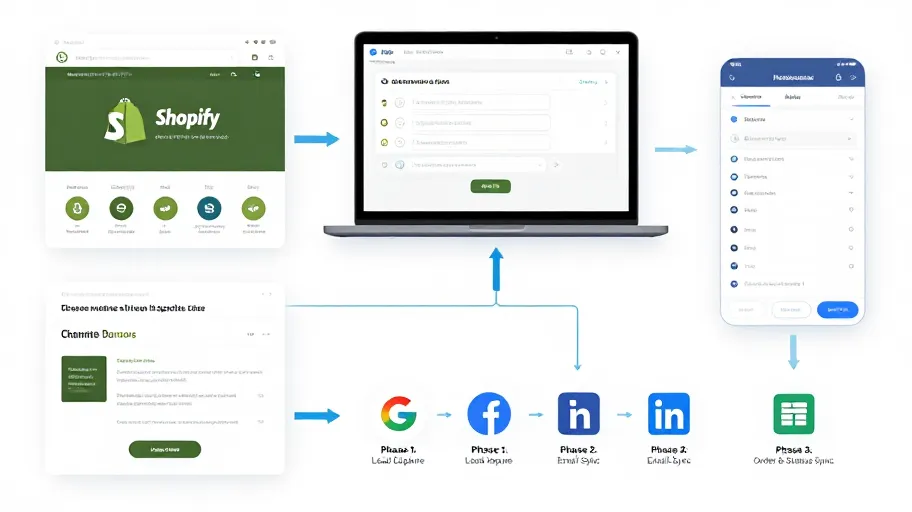
Choosing a CRM integration for your independent website is not about picking the right tool; it's about clarifying three key points first: which customer touchpoints you want to manage, how extensively you're willing to integrate data, and at what level the integration work will be considered complete. Once these three aspects are clearly defined, selecting a specific solution becomes much simpler. For foreign trade enterprises aiming to build an independent website, a CRM system, and an overseas customer acquisition framework simultaneously, the selection process itself is more important than the names of the tools.

Building a multilingual international trade website isn’t just about changing languages—it’s about reconstructing business logic. We’ve compiled a comprehensive checklist covering everything from page architecture and content workflows to form design and ongoing operations, helping you avoid 80% of pitfalls most businesses encounter.

