传统CRM还在靠静态标签猜用户心思?GEO+AI CRM的双向奔赴正在改写增长规则。从意图捕捉到实时响应,看企业如何用数据飞轮把每一次点击变成成交。
Is traditional foreign trade development becoming increasingly difficult? Foreign trade customer acquisition systems are becoming standard equipment for high-growth enterprises. From data-driven customer identification to intelligent multi-channel outreach, understanding this logic can help you double your overseas order conversion rate.
An intelligent foreign trade customer acquisition system can boost customer conversion rates by over 30%. Through data-driven approaches and automated workflows, companies can significantly reduce customer acquisition costs and expand their global market reach. True growth begins with a scientific definition of “who’s worth talking to”.
Before considering the introduction of an AI CRM, businesses should first answer three key questions: Which parts of your business processes already have data flowing through a system? Which decisions are your team willing to delegate to system assistance? And what criteria will you use to determine "successful go-live" during acceptance testing? Clearly addressing these three questions before deciding on purchasing or building your own solution is far more prudent than choosing a product first. This article provides a ready-to-implement framework and checklist for making such determinations.
AI CRM isn’t about stacking features—it’s an intelligent engine precisely tailored to address your business pain points. Choosing the wrong system can render millions wasted. This article breaks down five key decision points to help you avoid pitfalls and achieve quantifiable value acceptance.
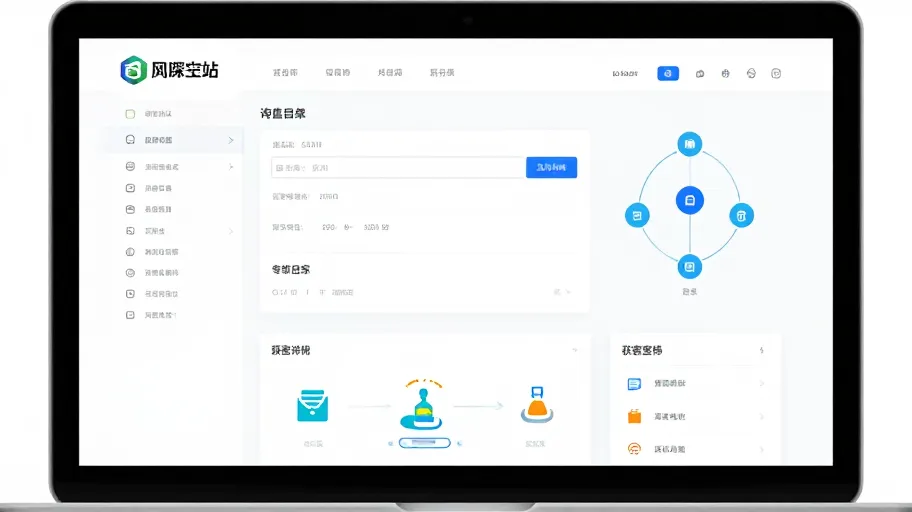
Building a foreign trade independent website—what truly determines success or failure is not technology or design, but whether you’ve clearly thought through your requirements before getting started. Many foreign trade companies only realize after launching their website that the product display format doesn’t align with overseas buyers’ habits, inquiry requests lack a unified entry point, CRM integration is missing, and when they later try to add customer acquisition features, they find the existing structure can’t support it. To avoid these issues, it’s recommended to complete three key tasks using the framework below before starting: clarify real-world needs, define the implementation scope, and establish clear acceptance criteria. This article will follow this sequence and provide a ready-to-use decision checklist at the end.

Traditional customer acquisition is becoming increasingly expensive yet less effective. AI is changing this landscape—not by piling up resources, but by accurately accounting for every single traffic dollar. Next, we’ll explore practical strategies for implementing intelligent growth logic in your business.
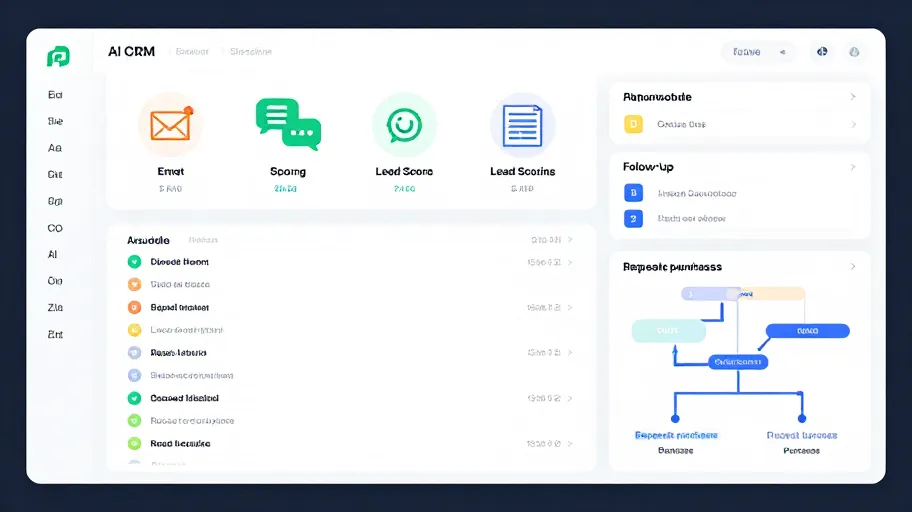
Before introducing an AI CRM, the first questions businesses should address are not "which product to choose," but three more fundamental ones: Does your current business truly face customer management bottlenecks that require AI intervention? Should the implementation scope cover lead follow-up first, or span the entire customer journey from acquisition through follow-up, closing deals, and repeat purchases? And what criteria will you use to determine whether this system is "worth continuing to use"? Clarifying these three questions before discussing tool selection can significantly improve decision-making quality. This article provides a practical framework and checklist to help foreign trade companies avoid unnecessary detours when implementing an AI CRM.