Your independent site gets 5,000 visits monthly, yet only generates 10 inquiries? 98% of your traffic is quietly slipping away. This article breaks down a truly order-winning independent site construction plan, covering everything from technical architecture to buyer psychology—all in one piece.

AI is rewriting the rules of foreign trade customer acquisition. From passive response to proactive prediction, AI-driven CRM systems enable companies to capture global buyers’ true intentions through data, driving double-digit leaps in both conversion rates and ROI.
80% of foreign trade websites’ SEO redesigns ultimately go to waste—the problem isn’t the optimization itself, but failing to identify these five blind spots before starting. Through real-world cases, we show you: diagnosis matters more than execution, or else every penny spent is wasted.

Why do some companies turn a profit within six months of launching an independent site, while yours is still burning cash? The key isn’t traffic, but rather architecture and managing customer assets. We dissect real-world cases to reveal which strategies truly deliver returns.

Building a multilingual website shouldn’t be the start of a money-burning endeavor. From technical architecture to content tiering, every decision directly impacts ROI. Using real-world data and practical experience, this article reveals where to spend your budget and how to avoid common pitfalls.
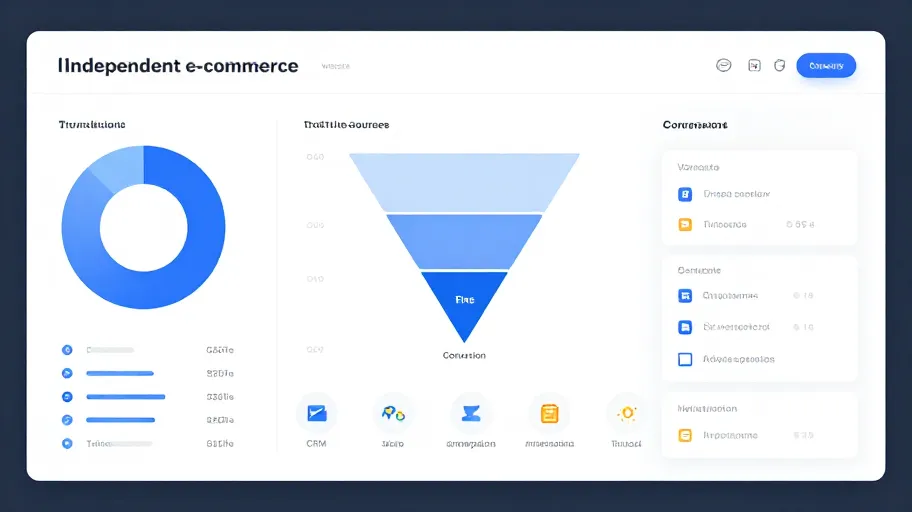
Before diving into CRM integration for your independent website, the three most important things to confirm first are: where your current traffic is coming from, at which stage inquiries are lost, and whether the interface conditions between both systems are feasible. Many foreign trade teams treat integration as a purely technical task, handing it over to developers and calling it done—only to find that after the system is connected, data ends up fragmented, duplicated, or ignored altogether. The essence of integration is actually a reorganization of business processes, with technology merely being the final step. This article provides a ready-to-use checklist framework to help you conduct a self-assessment before starting the project.

As AI begins directly answering user questions, traditional SEO can no longer reach customers. GEO-SEO Collaboration, enabled by data integration tools, transforms corporate content into an AI answer source, ensuring a steady influx of high-value leads.
Traditional SEO only brings traffic bubbles, while GEO strategy enables independent sites to truly 'understand' the languages and needs of users in different countries. From intent recognition to content distribution, see how we helped three brands boost natural conversion rates by nearly 50% within eight weeks.
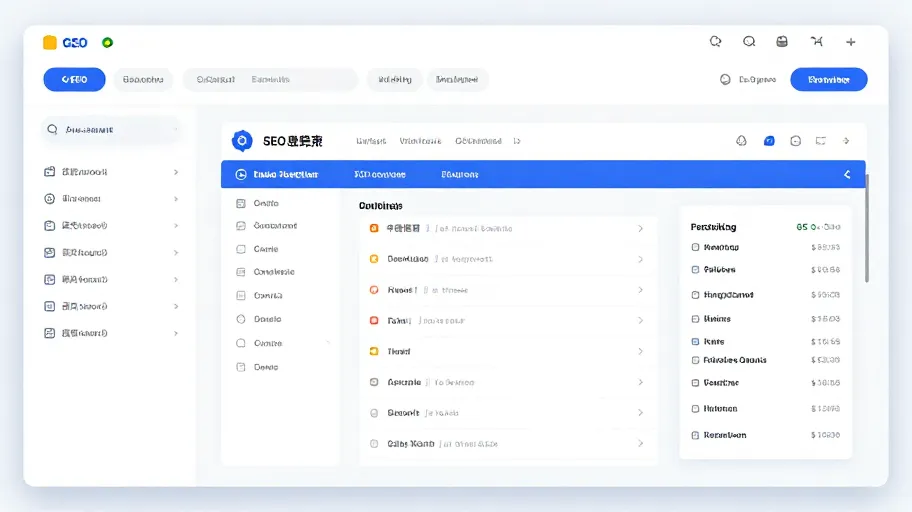
Conclusion: The key to GEO-SEO collaboration lies not in running two separate optimization campaigns, but in integrating three types of data: content visibility data, user behavior data, and lead conversion data. SEO answers the question, "Are you ranked in search results?" while GEO answers, "Are you featured in AI-generated responses?" However, the third question that foreign trade enterprises truly need to address is: "Have these instances of visibility ultimately turned into follow-up sales leads?" This article presents an actionable framework for evaluating these aspects in this order.
90% of independent sites stall at the million-dollar mark in their first year—not due to lack of traffic, but because of their architecture. By dissecting multiple real-world cases, we found that truly profitable sites nail three things: data-driven approaches, trust design, and attribution loops.