90% of foreign trade independent site projects fail—not because the technology is inadequate, but because the direction is wrong. Truly efficient overseas expansion infrastructure begins with a thorough clarification of “what problem we aim to solve.” This article breaks down key stages across the entire process, helping you avoid rework pitfalls.
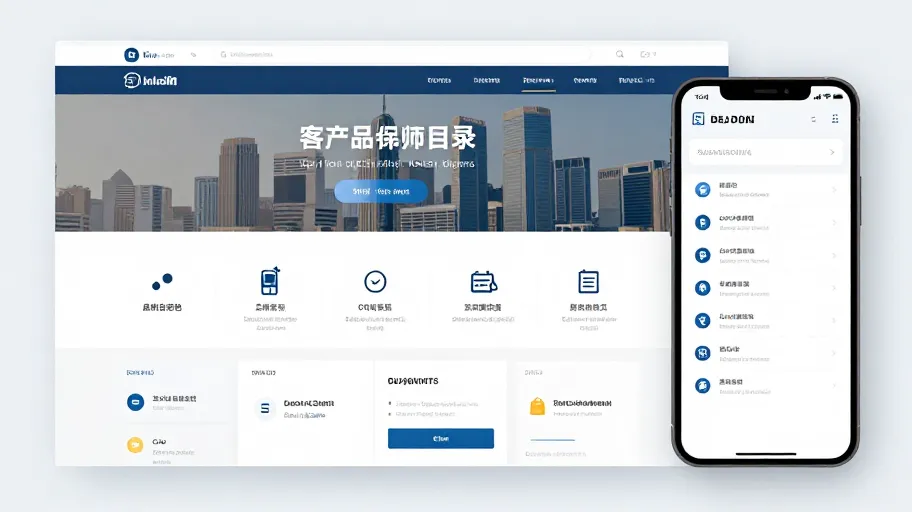
Before diving into website development, the most crucial question every foreign trade enterprise should answer is: What exactly does this independent website aim to achieve for your business? If the answer is merely "All our competitors have one, so we need one too," the project will likely end up in a passive situation where the site exists but generates no inquiries after launch. This article provides a comprehensive decision-making framework—from requirements analysis and defining the implementation scope to setting up an acceptance checklist—helping you clarify your goals, scope, and acceptance criteria before engaging a service provider or building the team yourself.
When data gains coordinates, decisions stop floating in mid-air. Through geospatial data analysis, businesses are turning “where” into their sharpest competitive weapon. From store location selection to emergency response, the truth lies hidden in the map.
The era of finding customers through mass emailing is over. True foreign trade growth comes from systematic lead integration and automated response mechanisms. Choosing the right tool means reclaiming 30% more potential orders each year.

Before an international trade company decides to implement an AI CRM, the most important questions to answer are not "which product is best," but rather three more fundamental ones: Do we truly need an AI CRM? Where should the implementation scope be defined? And what criteria will we use to evaluate its effectiveness? Here's a straightforward method for making these decisions: first, confirm whether there are any parts of your current customer management process that cannot be efficiently handled manually; next, limit the implementation scope to one or two verifiable business scenarios; finally, write down the acceptance criteria before starting the project. The following framework will help you complete these three steps.

When search intent directly drives customer operations, business growth no longer depends on luck. The GEO AI CRM Closed-Loop System is reshaping customer acquisition logic, enabling exponential leaps from traffic to LTV. Here’s a replicable practical roadmap.
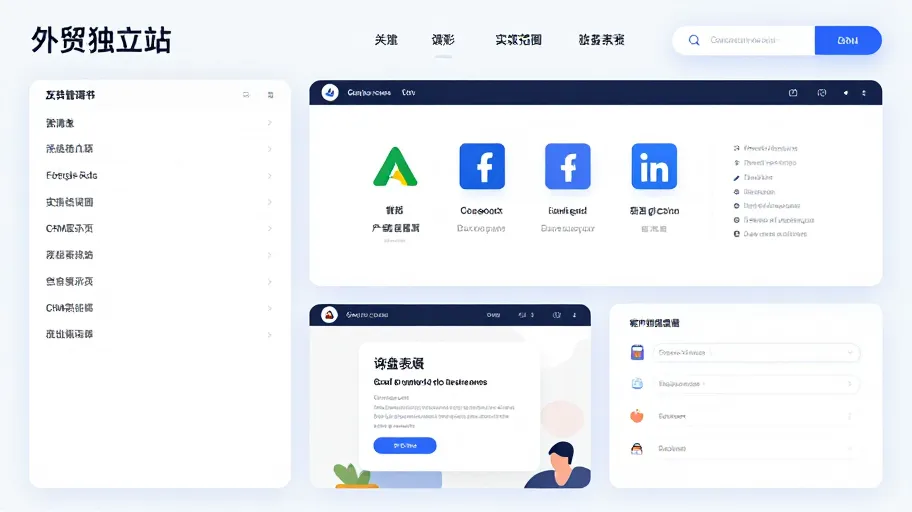
Building a foreign trade independent website starts not with choosing a template, but with clearly defining three key questions: "Why build it?", "Who is the target audience?", and "What does success look like?". This article provides a ready-to-use decision-making framework: first, analyze requirements; then, define the implementation scope; finally, use an acceptance checklist to ensure delivery quality. At the end of this article, we'll point you to our unified entry point for handling such projects.

Traditional globalized content is failing. We offer a quantifiable geo-regionalized content strategy that helps businesses reach the right people, in the right place, with the right message. It’s not translation—it’s intent reconstruction.
Is platform traffic getting increasingly expensive while customers remain elusive?Customization of independent foreign trade sites is becoming the key to breaking the deadlock. From regaining data sovereignty to linking supply chains, discover how Shenzhen’s team uses technology to reshape the path of overseas growth.

Over 60% of export companies have profit margins squeezed below 10% due to reliance on platforms. Customer data isn’t in their hands, leaving them with zero bargaining power. Professional independent foreign trade sites are becoming the core of digital sovereignty for B2B overseas expansion.