

92% of B2B e-commerce sites fail to retain buyers—not due to lack of traffic, but because they lack “identity.” Website building ≠ trust building; when procurement AI scans your page and finds no verifiable entity signals, it automatically places you on the “unverified blacklist.” This article explains how to use five practical trust modules to turn your website into a credit credential automatically accepted by global procurement systems.

92% of standalone store CRM integrations become data silos within six months—the problem isn’t that the API isn’t working, but that customers can’t recognize themselves. This article breaks down the triple-layered data architecture validated by real-world cases like Anker and Shein: replacing hardcoded integrations with API contracts, unifying identities through graph modeling, and turning every click into a repeat purchase opportunity via dual-loop integration.
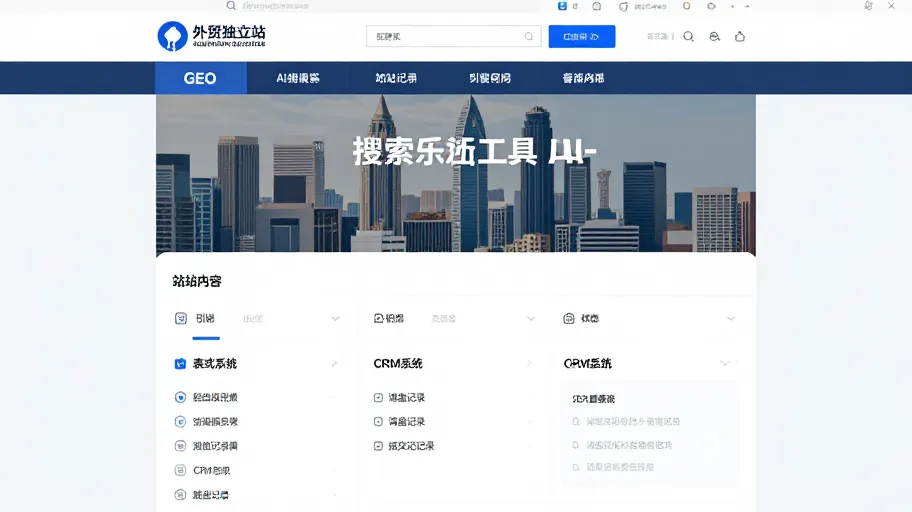
For a foreign trade independent site’s GEO strategy to truly generate sales leads, businesses need to integrate three types of data: content visibility data (whether site content is referenced in AI search scenarios), traffic and behavior data (which AI entry points visitors use and what they view), and lead and customer data (inquiries, follow-ups, and transaction records in the CRM). Without integrating these three types of data, GEO remains merely “visible,” unable to answer the question: “How much business has it brought?” This article provides a practical evaluation framework and an execution checklist to help you assess whether you have the conditions necessary to integrate these data sets.

Independent site CRM integration failures are largely caused by neglecting the 'three-stage verification' before overhaul. Skipping any one stage results in broken traffic funnels, distorted attribution models, and over 237 interface errors per day. This article uses real-world data and actionable tool tables to help you nip technical debt in the bud before launch.

92% of enterprise first-party customer data is ‘optically invisible’ in AI search—not because the data wasn’t collected, but because the signal gets cut off on its way to AI indexing.
This article uses real data and verifiable mechanisms to explain how CDPs evolve from back-office warehouses into AI search’s semantic translators, intent registration centers, and lead power stations.

Building a B2B independent site doesn’t mean it’s running smoothly. 92% of sites silently lose high-value buyers due to semantic disconnects, misaligned intentions, and poor performance. The true starting point for ROI is making Google SGE, Bing Copilot, and purchasing managers all ‘understand you’ simultaneously—this article breaks down five key implementation nodes driven by both technology and business strategies.

In Q3 2026, companies that haven’t deployed AI foreign trade CRM acquisition systems lose an average of 38% of high-intent overseas inquiries.This isn’t an efficiency issue—it’s a survival gap. This article tackles the three major pitfalls of dormant leads, delayed responses, and manual misfiltering, using verifiable data to show how AI CRM foreign trade acquisition systems turn “waiting for customer replies” into “predicting the next step.”

92% of foreign trade cold emails sink without a trace? It’s not that your copy isn’t good enough—it’s that customers stopped waiting for you long ago. This article cuts straight to the true limits of AI CRM’s ability to drive foreign trade customer acquisition—it doesn’t craft boilerplate scripts; it reads the heartbeat of procurement; it doesn’t pile on features—it turns your lead pool into a predictable, controllable accelerator for closing deals.
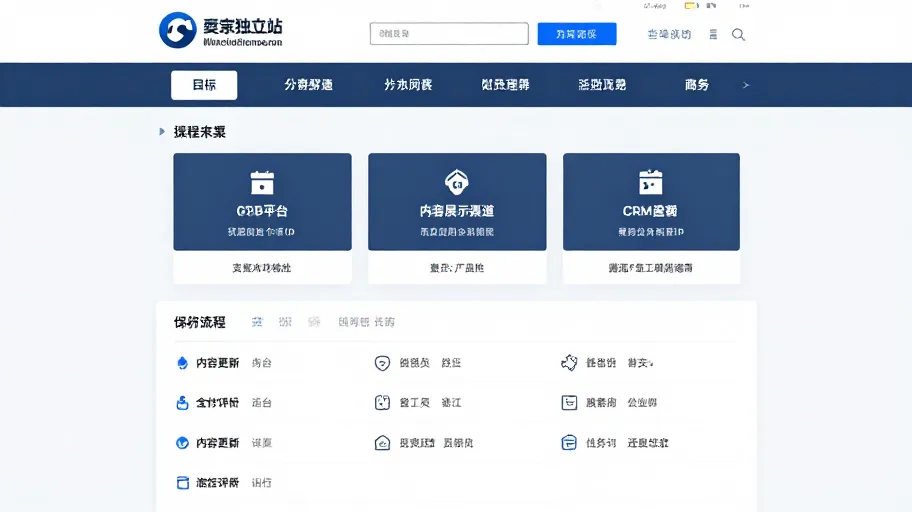
Direct Conclusion: When choosing a B2B e-commerce independent website, don't compare prices first—focus on "need alignment" instead. You need to answer three questions: What business actions should this site help you accomplish? Does your team have the capability to sustain its operation? Where do the supplier's delivery boundaries lie? Once these three points are clear, then discuss budget; this will significantly reduce the risk of making the wrong choice. The core of selection isn't finding the "best website builder," but rather identifying a partner whose capabilities align with your customer acquisition stage, team setup, and budgetary rhythm.

92% of B2B companies experience lead response timeouts, rooted not in slow systems but in the lack of genuine ‘claiming’ of leads. This article introduces the first implementable responsibility contract model, defining rigid boundaries for content activation, website routing, and CRM arbitration through tripartite SLAs, transforming leads from data streams into revenue promises.

First-party customer data itself doesn’t generate value—only real-time modeling, dynamic segmentation, and sub-second responses can truly start making money. This article breaks down how a CDP weaves scattered behavioral data points into actionable intent trajectories, turning every click into a closed-loop commercial action.

